10 Best Mobility Exercises for Women Over 40
Do you feel stiff when you get out of bed?
Maybe your hips feel tight after sitting at your desk. Your shoulders don't move quite like they used to. Or getting down onto the floor—and back up again—has become more of an event than it used to be.
You're not alone.
And here's something important:
Feeling stiff doesn't necessarily mean you need to stretch more.
Mobility is about your ability to actively control movement through a range of motion.
That's different from simply being flexible.
Why Mobility Matters After 40
Mobility allows you to move freely and confidently through everyday life.
Think about everything you ask your body to do:
Reach overhead
Turn and look behind you
Get out of a chair
Bend down
Climb stairs
Walk on uneven surfaces
Get down onto the floor
Pick something up
These aren't “fitness exercises.”
They're life.
Maintaining your ability to perform these movements is one of the reasons mobility training is so valuable as we age.
10 Mobility Exercises to Try
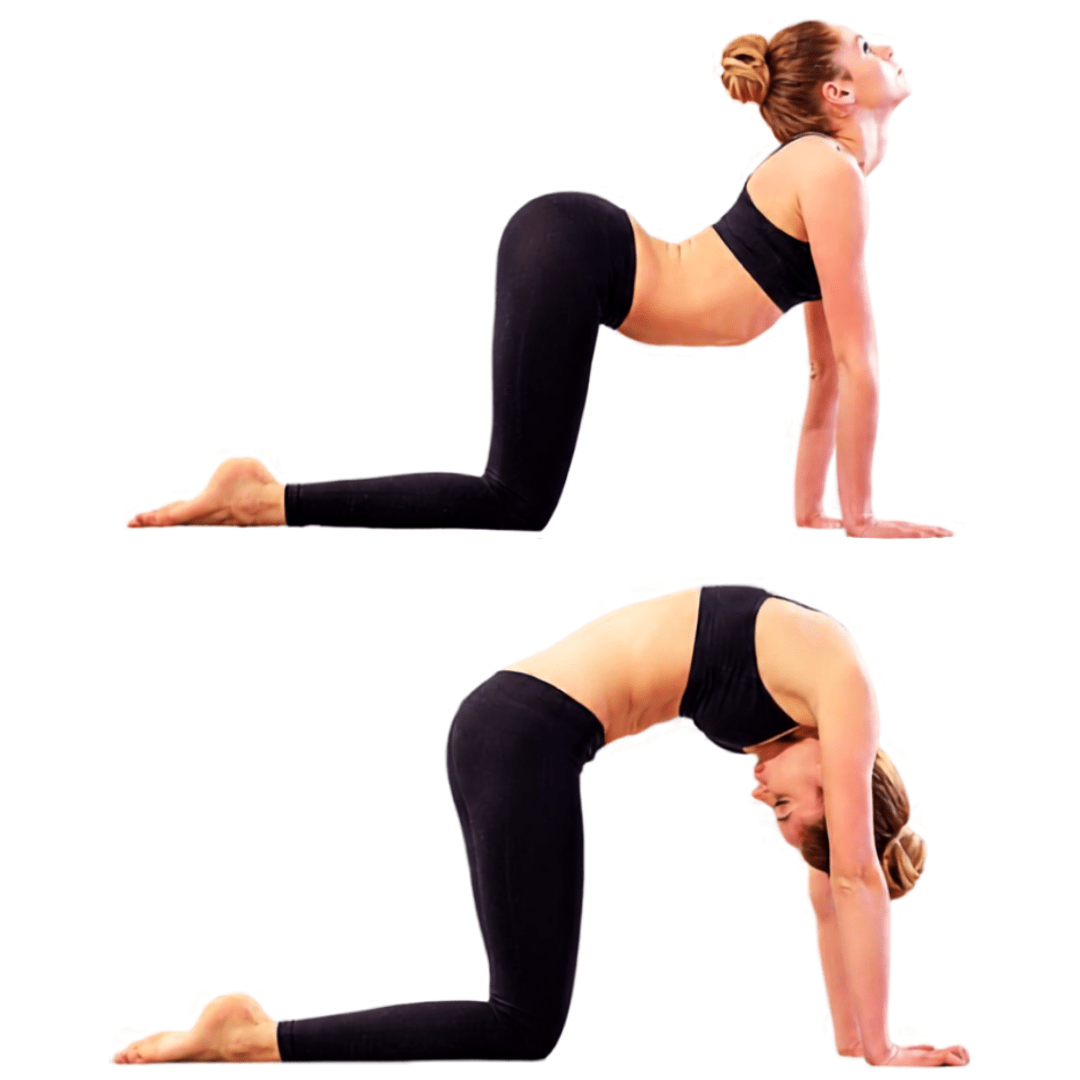
1. Cat-Cow
A simple way to move through spinal flexion and extension.
Move slowly and focus on controlling the movement rather than forcing your range.
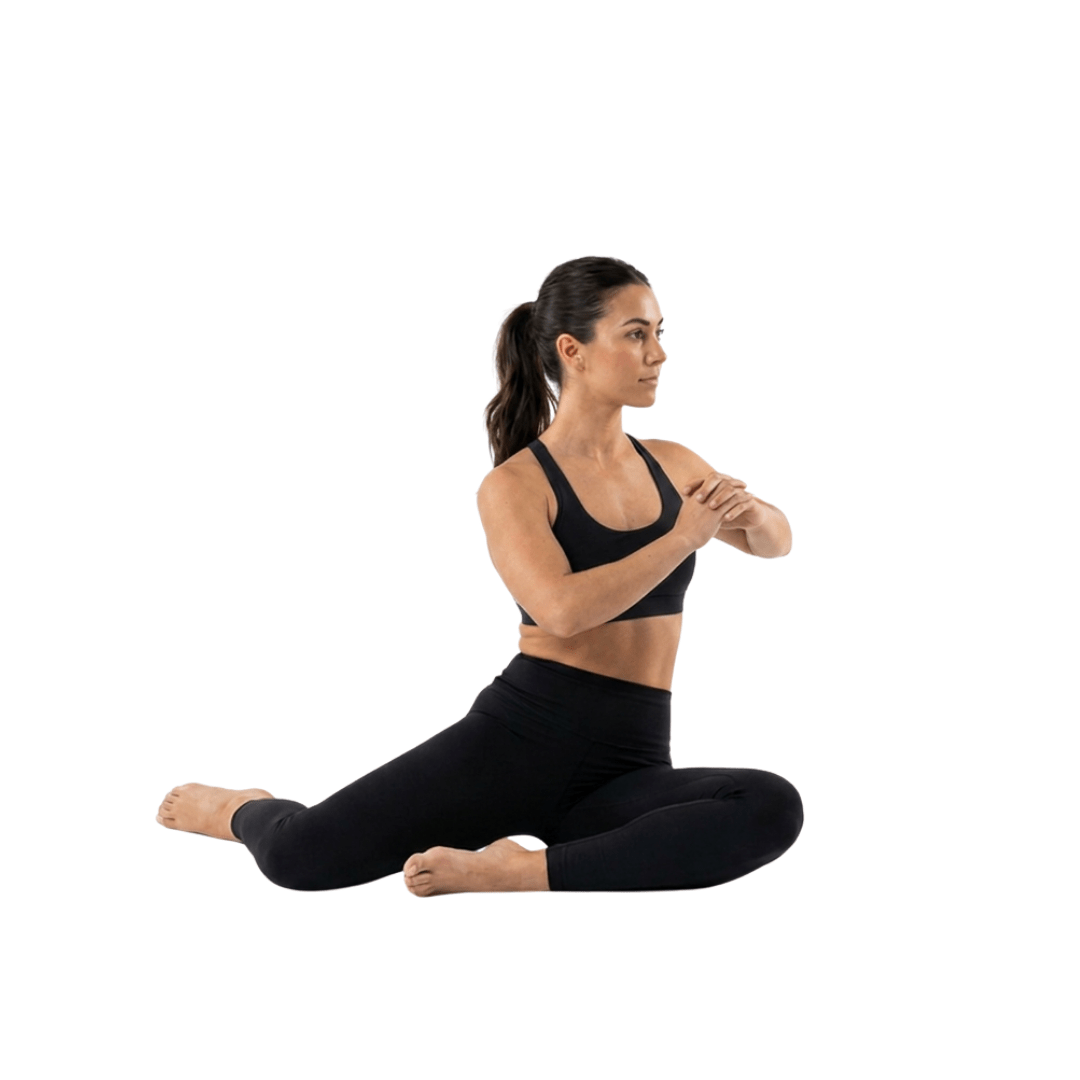
2. 90/90 Hip Rotations
This movement challenges hip rotation and can be a great addition to a mobility routine.
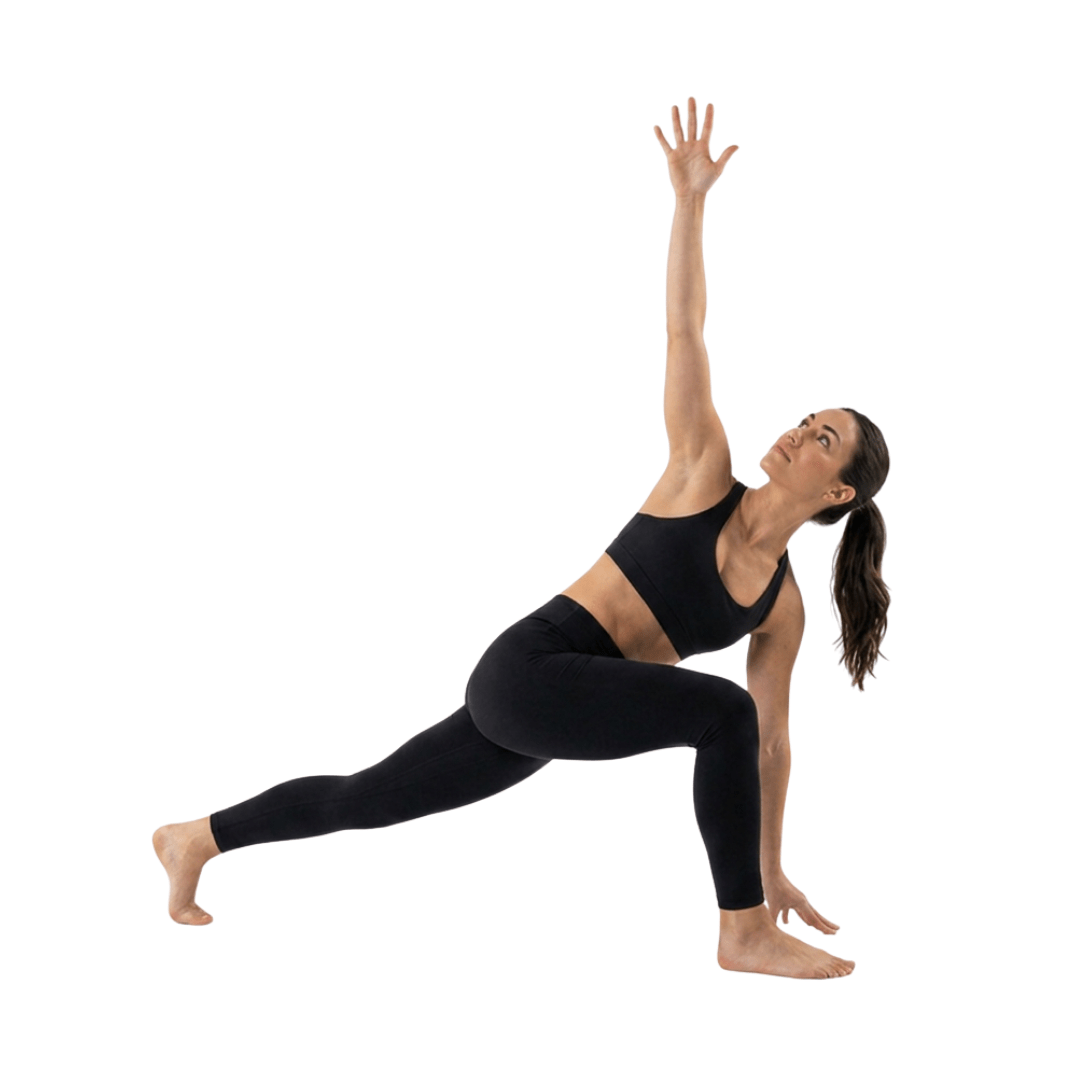
3. World's Greatest Stretch
This combines several movements into one sequence involving the hips, spine, and upper body.
4. Thoracic Rotations
Keeping the hips relatively stable while rotating through the upper back can help you explore thoracic mobility.
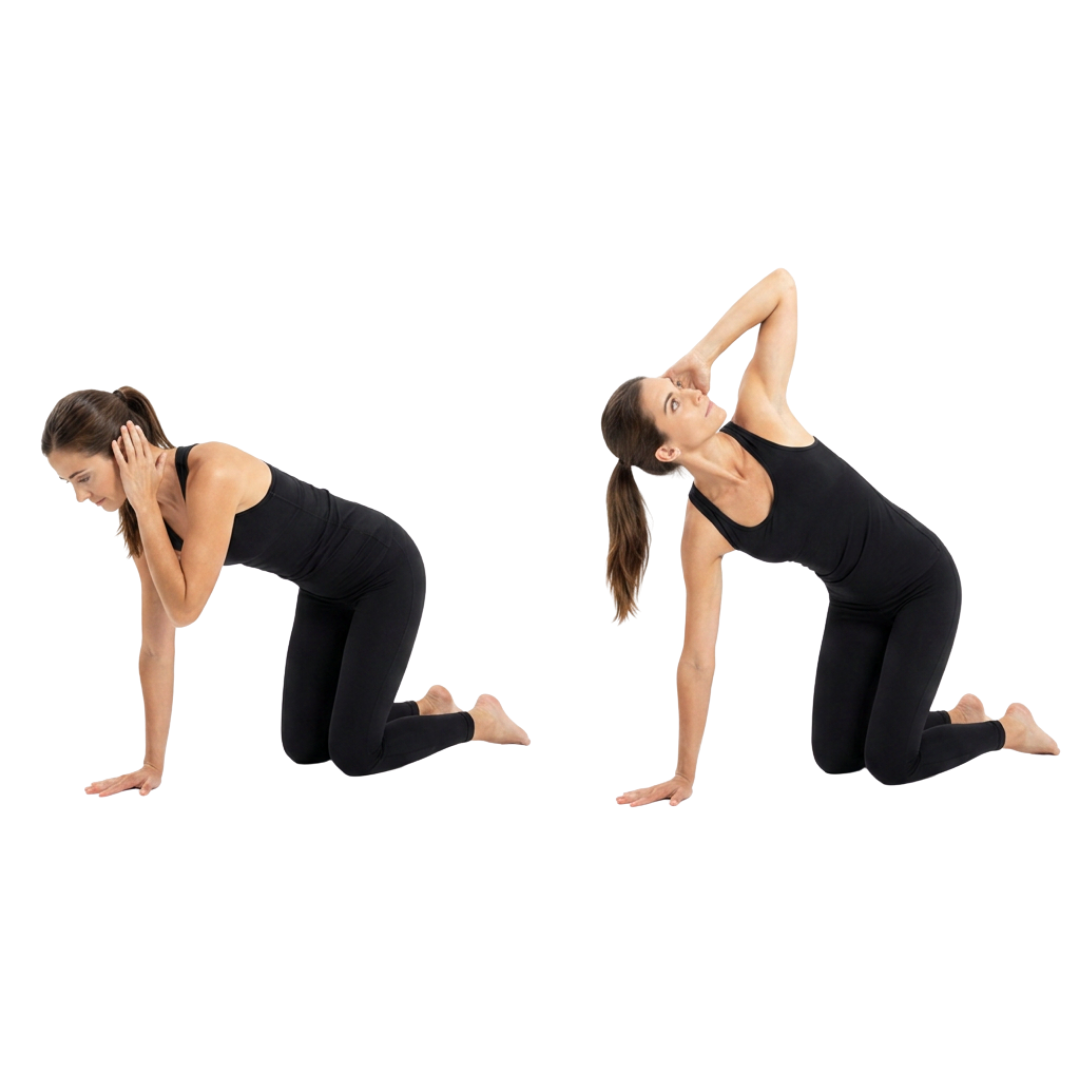
Thoracic Rotation (Quadruped)
5. Ankle Rocks
Limited ankle mobility can affect everything from squatting to walking.
Slowly move your knee forward over your toes while keeping the heel grounded.
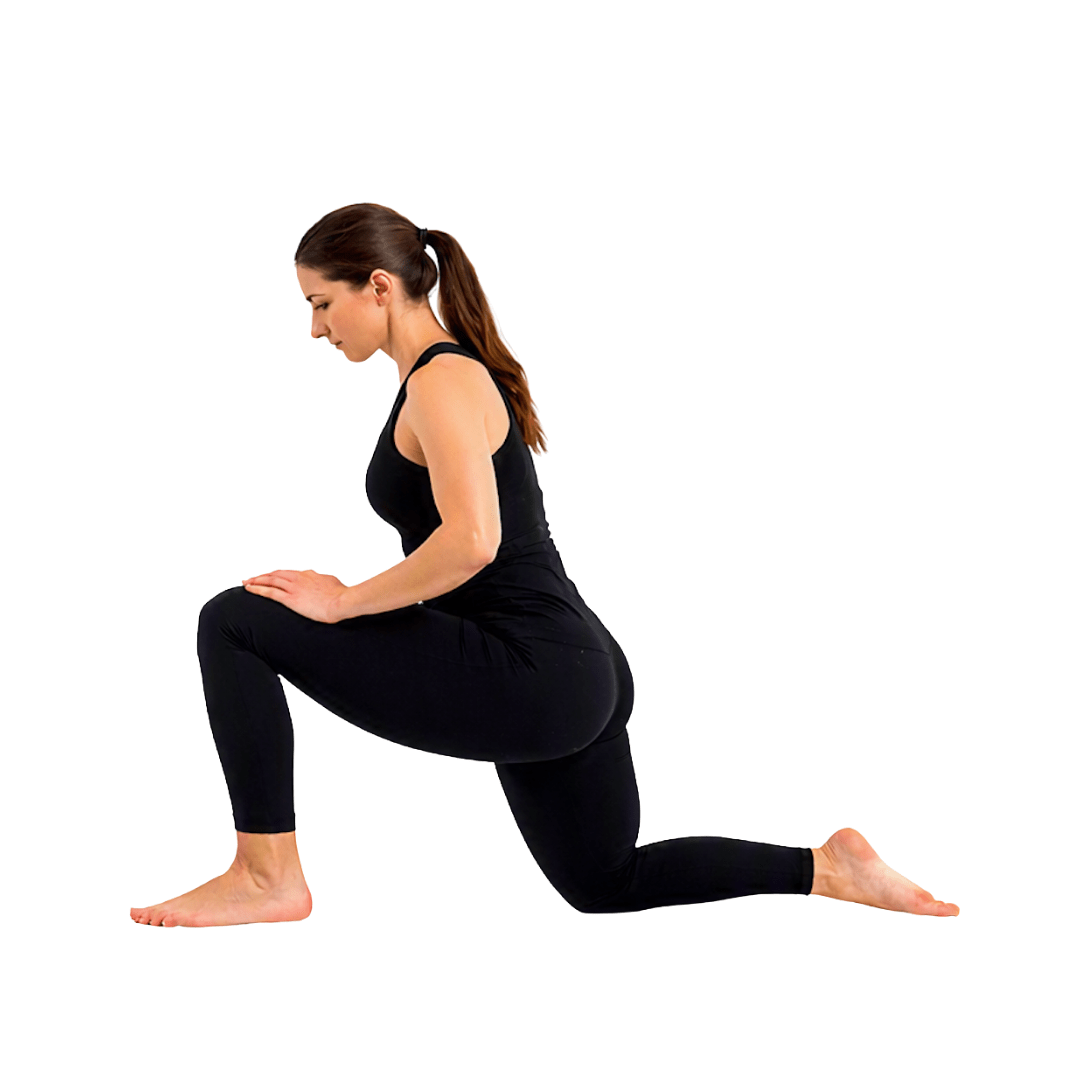
Half-kneeling Ankle Rocks
6. Hip Flexor Mobility
If you've spent much of your day sitting, gentle hip mobility work can feel particularly useful.
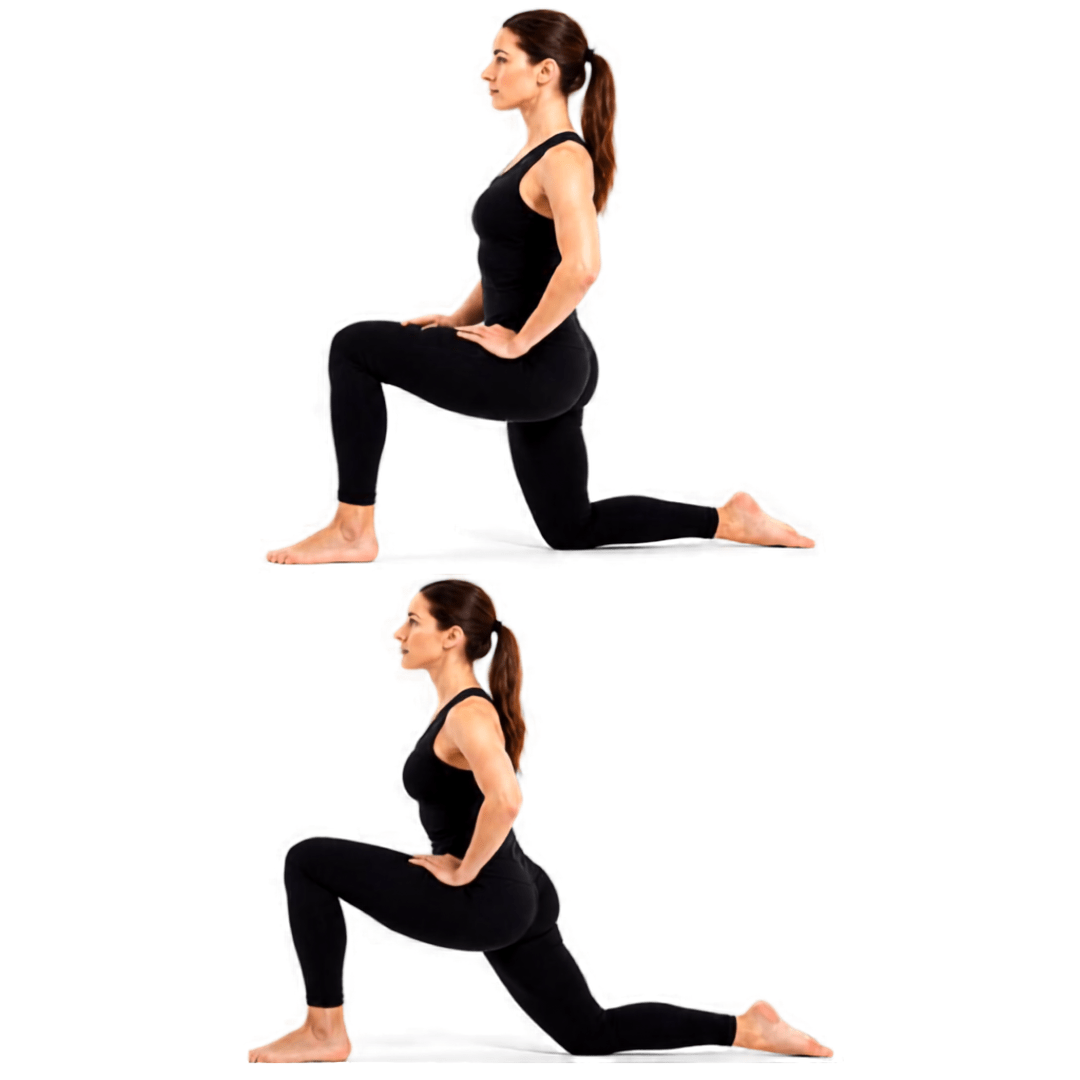
Hip Flexor Mobility
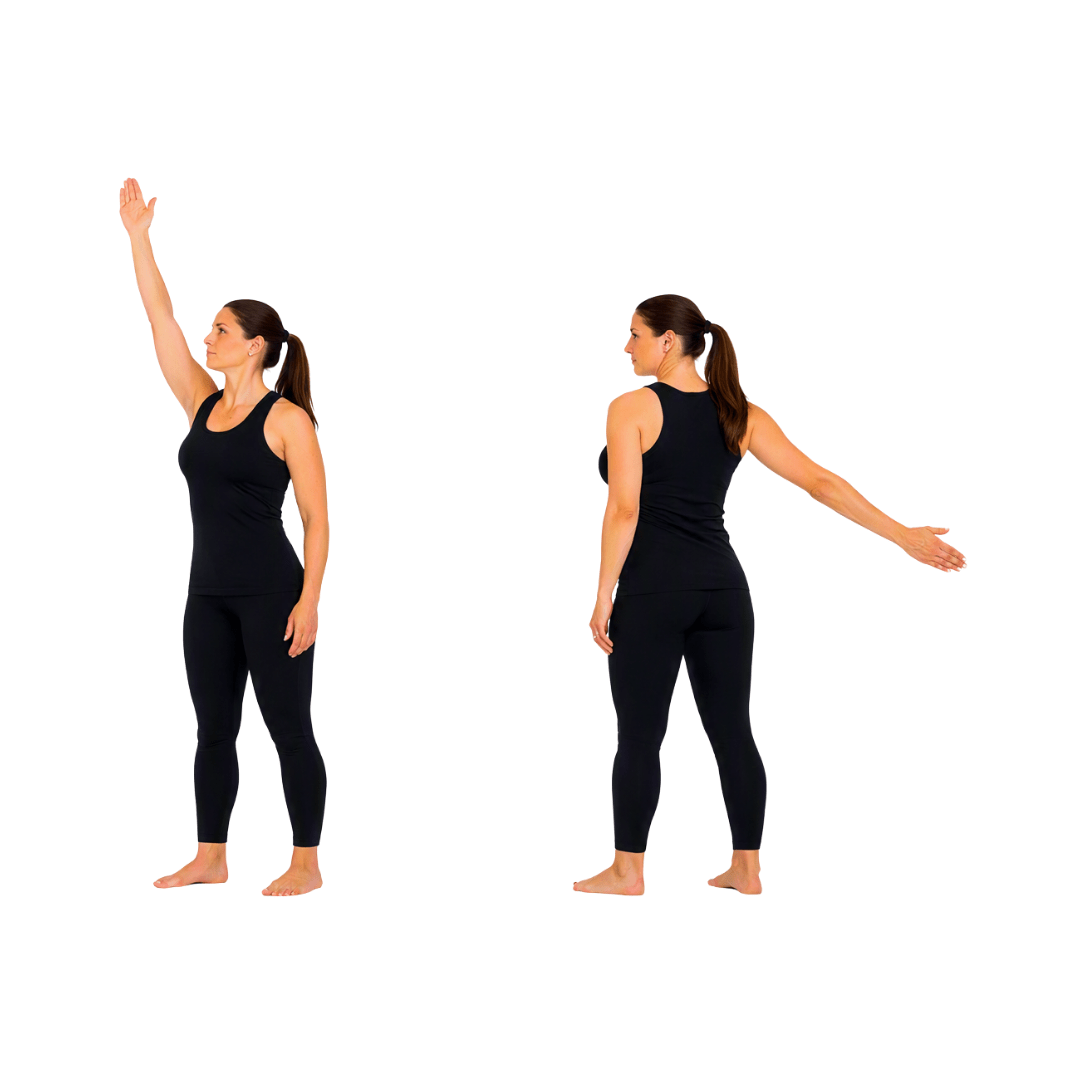
7. Shoulder CARs
Controlled Articular Rotations—often called CARs—take your joints through controlled circles.
Go slowly and use only the range you can control.
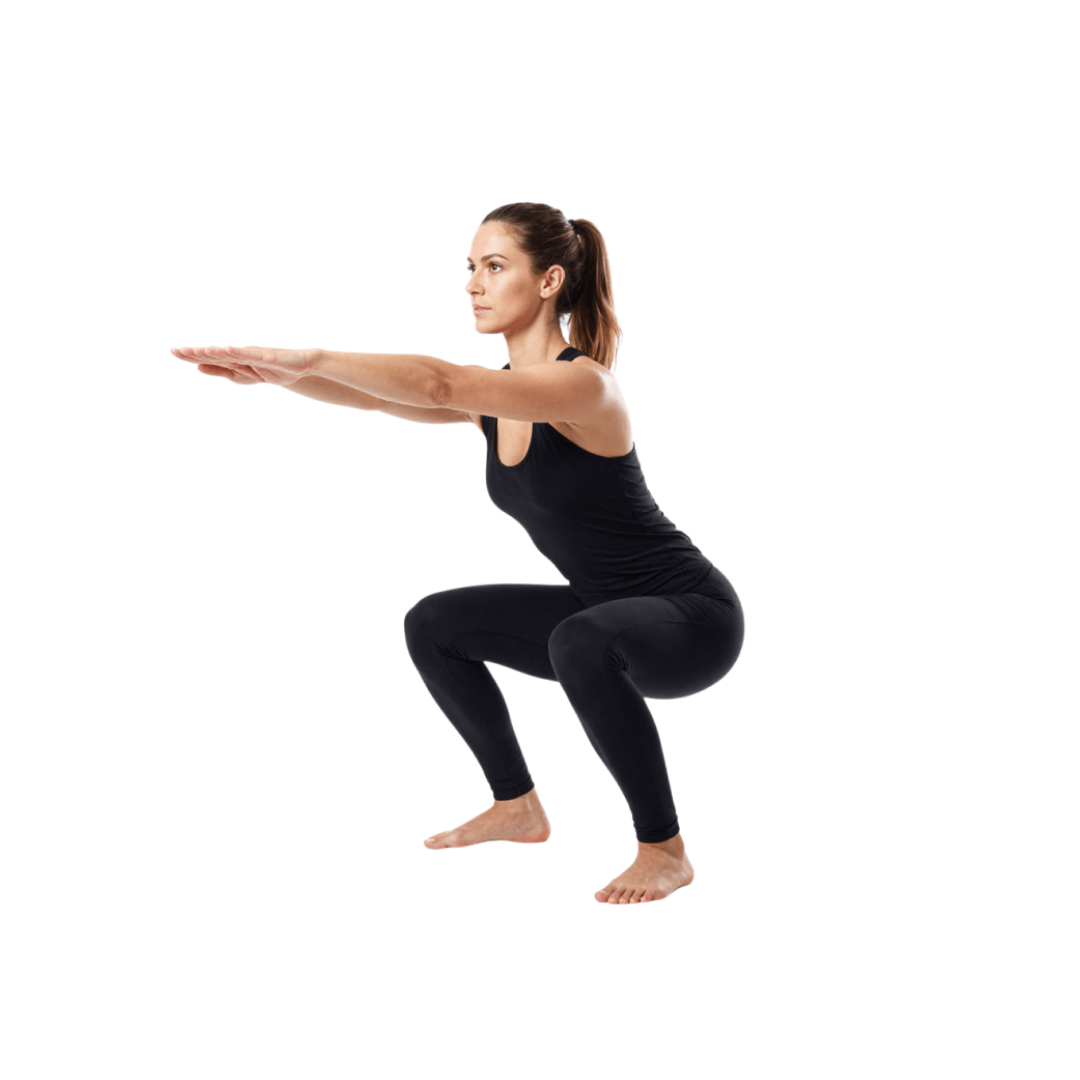
8. Deep Squat Hold
If appropriate for your current mobility, practicing a supported squat position can help you work on hip, knee, and ankle mobility.
Use support if needed.
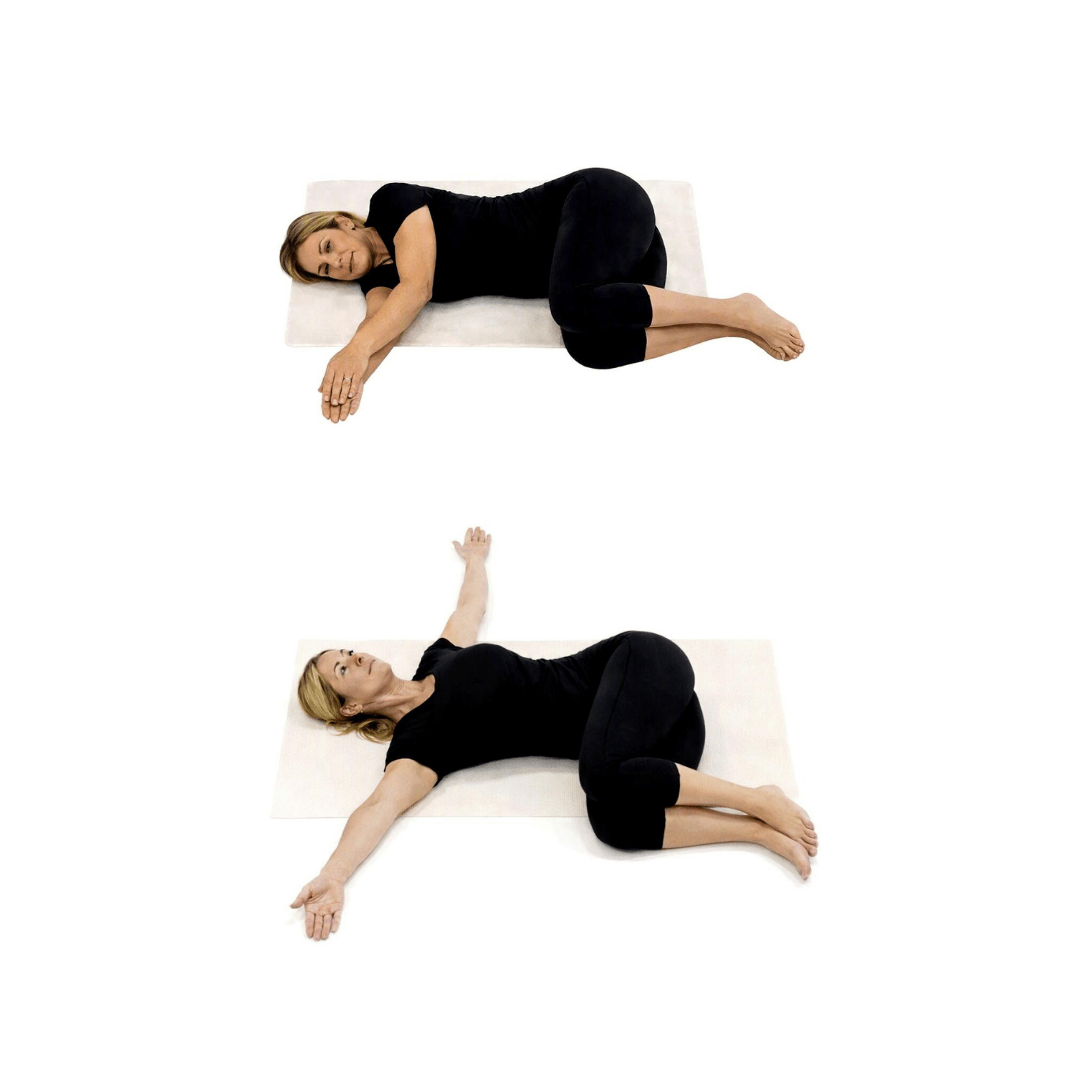
9. Open Books
A great movement for exploring rotation through the upper back.
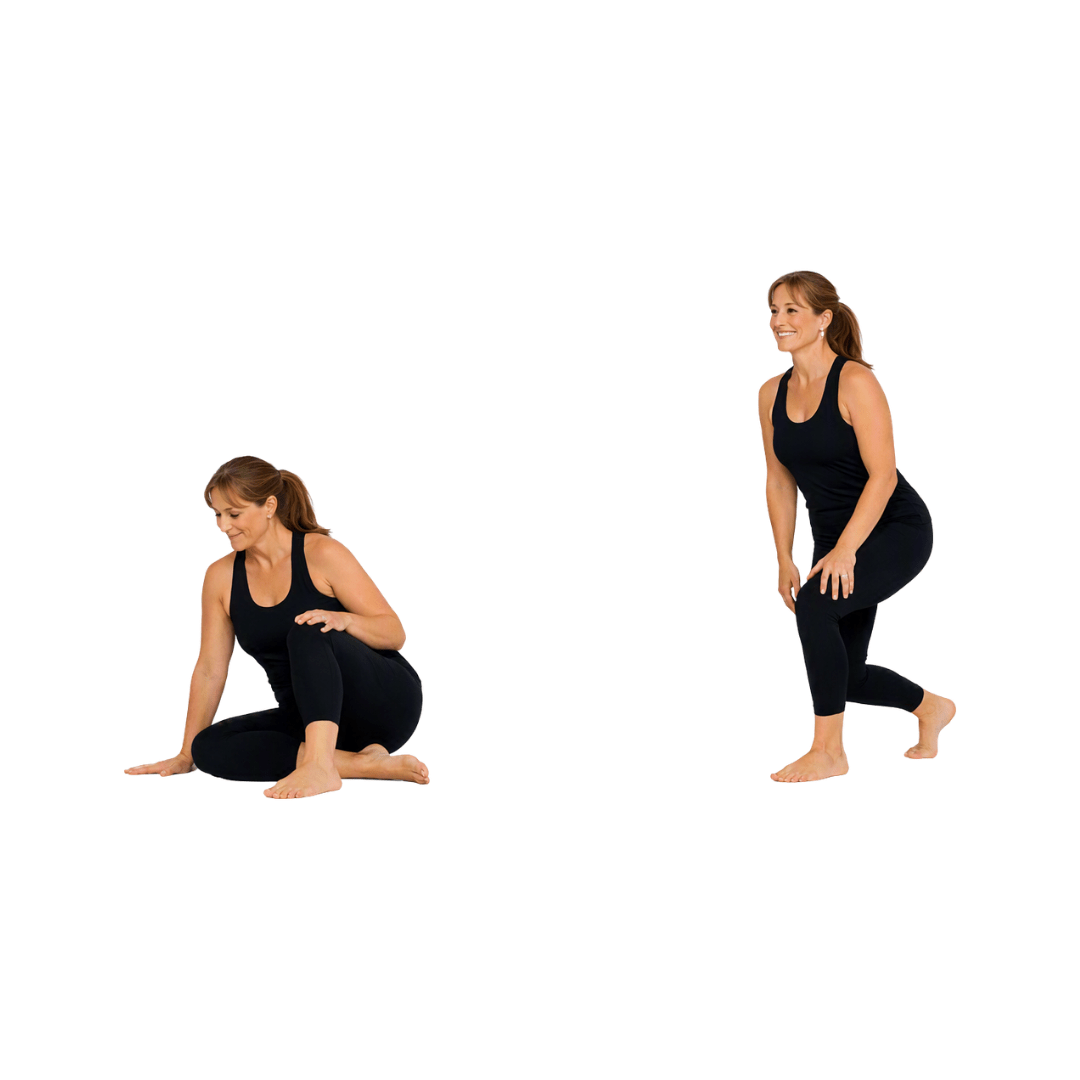
10. Get Up and Down From the Floor
Yes, this counts.
Getting up and down from the floor requires mobility, strength, balance, coordination, and confidence.
It's one of my favorite examples of fitness that actually matters.
How Often Should You Do Mobility Exercises?
You don't need a 60-minute mobility session.
Even 5–10 minutes a day can give you an opportunity to move your joints through ranges of motion you may not otherwise explore.
The key is consistency.
A little movement done regularly often beats an ambitious routine you abandon after two weeks.
Mobility Isn't About Forcing Your Body
This is important.
Mobility training shouldn't feel like you're trying to force your body into a position it isn't ready for.
Think:
Control → consistency → gradual progress.
Not:
Pain → force → frustration.
The Bottom Line
Mobility isn't about becoming a human pretzel.
It's about maintaining your ability to move confidently, comfortably, and with control.
And as you get older, that's a pretty valuable skill to have.
If you're ready to stop treating stiffness as something you simply have to “live with,” mobility training may be a great place to start.
At Kinected Fit Coaching, I help adults over 40 build strength and mobility that supports the way they actually want to live.
Transform How You Move Every Day
Do you feel stiff when you get out of bed? Struggle with tight hips or shoulders? Mobility is more than just flexibility—it's about moving with confidence and control.
From getting up off the floor to reaching overhead, these essential movements are key to everyday life.
Book a Free Consult Call with Kinected Fit Coaching to address your specific needs and discover how our personalized mobility training can support your lifestyle. Don’t settle for stiffness—start moving freely today!